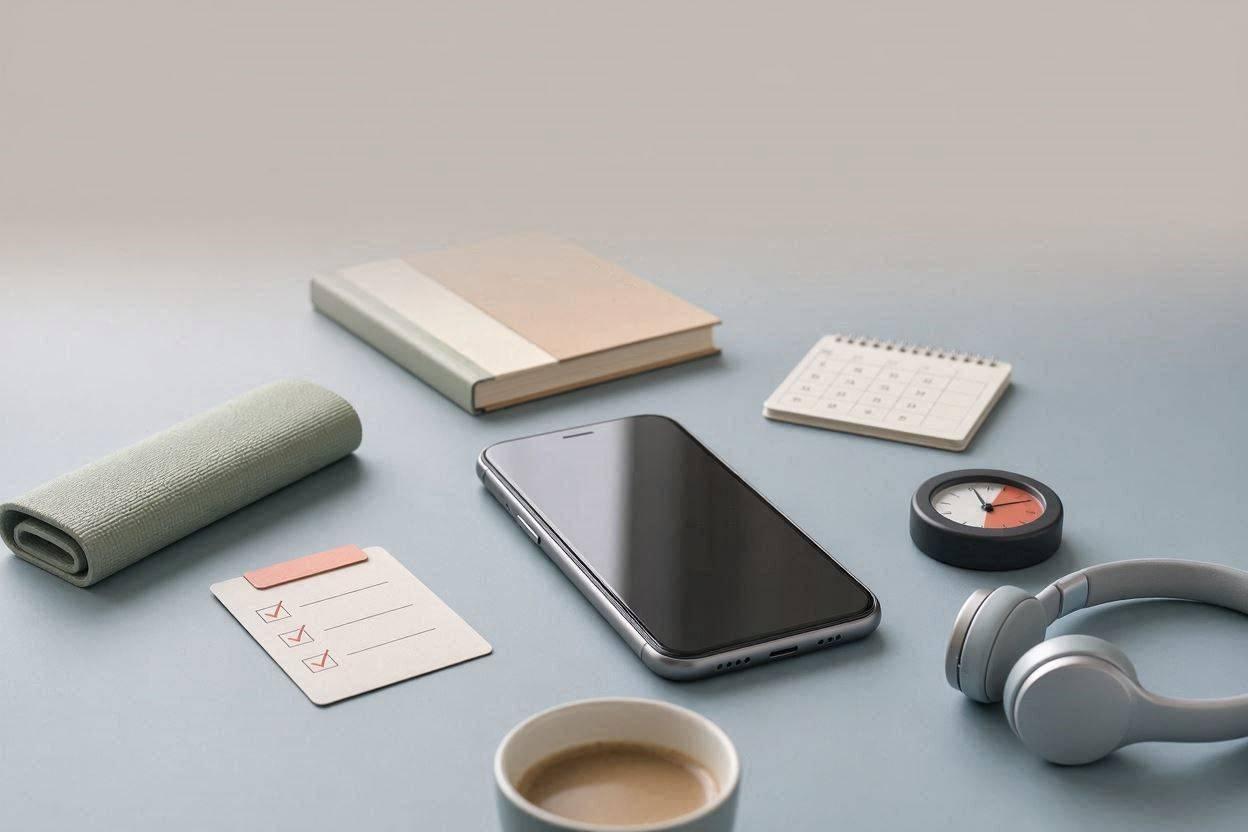

The modern workplace has become increasingly mobile and fragmented, demanding that professionals manage their time across multiple platforms and contexts, and among the tools now reshaping how people unwind after demanding workdays, stands out as an example of entertainment apps such as 1xbet that many professionals download to their Android devices alongside productivity solutions, creating a ecosystem where work and leisure coexist seamlessly. The smartphone has become the central hub of professional life, but it’s also the gateway to essential downtime that recharges mental energy.
Apps for Focus and Productivity
The foundation of any balanced workday starts with the right productivity tools. Modern apps have evolved far beyond simple to-do lists; they now integrate with your calendar, email, and even your team’s workflow. Apps for time management break the day into focused blocks, eliminating the paralysis of an endless task list. Project management applications keep you aligned with team goals while reducing unnecessary meetings.
Beyond scheduling, learning apps have become critical for continuous skill development. Whether it’s mastering a new software, improving communication skills, or staying current with industry trends, these applications let you learn during coffee breaks or lunch hours without derailing your workday. The micro-learning approach—absorbing knowledge in small, digestible segments—has proven far more effective than traditional long-form training.
The key here is intentionality. Not every productivity app is right for every person. The best strategy is to identify your biggest productivity bottleneck—whether it’s time management, focus, or collaboration—and then select one or two apps that solve that specific problem. Overloading your phone with a dozen productivity apps ironically reduces productivity.
Apps for Downtime and Leisure
After hours of focused work, your mind needs genuine rest, not just a different kind of stimulation. Streaming apps for music and video content provide passive relaxation—you can listen to your favorite playlist or watch a series without much cognitive effort. These apps work best when used intentionally during breaks, not as a constant background distraction.
Sports content apps offer a different kind of engagement. Tracking statistics, following your favorite teams’ real-time performances, or reviewing game analytics can be intellectually stimulating yet emotionally satisfying. Within the leisure category, for example, some users download entertainment apps such as 1xbet onto their Android devices to unwind after work, treating them as a form of structured entertainment rather than work-adjacent activity.
Wellness and mindfulness apps deserve special mention. Meditation, breathing exercises, and guided relaxation sessions have been shown to lower stress levels and improve sleep quality. These apps are not escapism; they’re genuine tools for mental recovery.
Here are the main leisure categories professionals rely on:
- Streaming and music platforms — passive entertainment for genuine rest
- Sports tracking and statistics apps — engaging yet stress-free content consumption
- Entertainment applications on Android — structured leisure for adults (18+)
- Meditation and wellness tools — active recovery for mental health
- Social and creative apps — connection and expression beyond work
The Science of Balance
Research consistently shows that the best performers are those who prioritize recovery. Your brain doesn’t improve during work; it improves during rest. Stepping away from productivity apps and engaging in genuine leisure activates different neural pathways, allowing overworked cognitive functions to recover.
The paradox, however, is that many professionals feel guilty about downtime. They check work emails during leisure hours or think about unfinished tasks while trying to relax. The solution isn’t to eliminate this tension entirely—it’s to create clear boundaries. Designate specific hours when work apps are off-limits. Use your phone’s “Do Not Disturb” features during personal time.
Finding Your Personal Mix
The perfect balance between productivity and leisure is deeply personal. Some professionals thrive with structured schedules and dedicated app ecosystems; others need flexibility and spontaneity. Experiment. Try a new productivity app for two weeks and evaluate honestly: does it solve your problem, or does it add complexity? The same applies to leisure apps—if a particular entertainment app doesn’t bring you joy or genuine rest, remove it without guilt.
Your phone should be a tool that serves your life, not a master that controls your attention. The right apps, chosen intentionally and used with boundaries, can significantly improve both your professional performance and your quality of life outside work.
Conclusion
The smartphone is neither purely a productivity device nor purely a leisure platform—it’s both, and the challenge is managing that duality wisely. By selecting apps that genuinely address your productivity bottlenecks and choosing leisure activities that provide true rest rather than distraction, you create a sustainable rhythm of work and recovery. This balance isn’t a luxury; it’s essential for long-term success and wellbeing.