

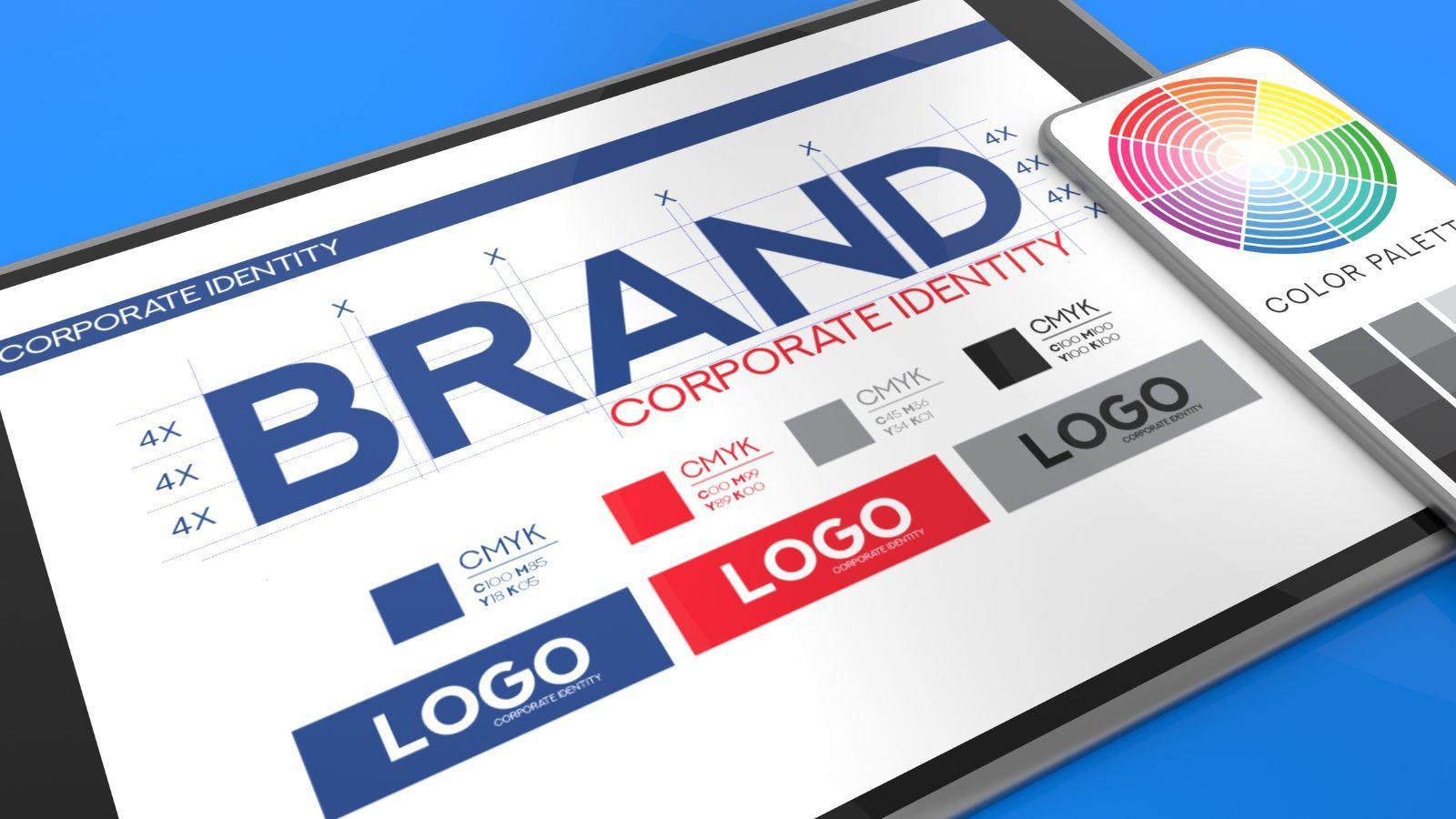

Rebranding is more than just changing a logo or updating a colour palette. It is a strategic process that reshapes how a business is perceived in the market. When done correctly, rebranding can open the door to entirely new audiences, refresh customer interest, and reposition a company in a more competitive space. In fast-moving markets where customer expectations shift quickly, rebranding can be the key to staying relevant and expanding reach.
Understanding What Rebranding Really Means
Rebranding involves changing the identity of a business in a way that influences public perception. This can include visual elements such as logos, typography, and packaging, but it also extends to messaging, tone of voice, and overall brand positioning.
At a deeper level, rebranding is often guided by brand architecture, which refers to how a company structures and organises its brands, sub-brands, and product lines to ensure clarity and consistency across everything it offers. Strong brand architecture helps ensure that a rebrand does not just look different, but functions strategically across all customer touchpoints.
There are different reasons why companies choose to rebrand. Some do it because their original brand no longer reflects their offerings. Others want to distance themselves from outdated perceptions or enter new markets. In some cases, businesses evolve naturally over time, and their branding simply fails to keep up.
At its core, rebranding is about alignment—making sure that what a company looks like and how it communicates matches what it actually does and who it wants to serve.
Expanding Beyond an Outdated Image
One of the biggest barriers to reaching new audiences is an outdated brand image. Customers often make snap judgments based on first impressions. If a brand looks old-fashioned, confusing, or inconsistent, potential customers may never explore what it offers.
Rebranding allows businesses to modernise their appearance and communication style. A refreshed visual identity can make a company feel more relevant and approachable, especially to younger or more digitally engaged audiences.
For example, a company that once targeted a niche professional group may find that its messaging no longer resonates with emerging markets. By updating its identity, it can position itself as more inclusive and forward-thinking, attracting a broader demographic.
Clarifying the Brand Message
Rebranding is not just visual—it is also deeply strategic. One of the most important aspects is refining the brand message.
Over time, many businesses expand their services or shift their focus. However, their messaging often remains unchanged, leading to confusion among potential customers. A rebrand helps clarify what the company stands for and what it offers.
Clear messaging makes it easier for new audiences to understand the value of a business. When people quickly grasp what a brand does and why it matters, they are more likely to engage with it. This clarity also helps improve marketing performance, as campaigns become more focused and consistent.
Entering New Markets With Confidence
When a business wants to expand into new markets, whether geographic or demographic, rebranding can be a powerful tool. Different audiences have different expectations, cultural references, and visual preferences.
A brand that works well in one market may not automatically succeed in another. Rebranding allows businesses to tailor their identity to resonate with new groups while still maintaining core values.
For instance, a company expanding internationally may need to adjust its tone, design style, or even product presentation to fit local expectations. Rebranding provides the flexibility to make these adjustments in a cohesive and strategic way.
Staying Competitive in a Changing Market
Markets evolve constantly, and competitors are always adapting. Businesses that fail to update their brand risk becoming invisible or irrelevant. Rebranding helps companies stay competitive by ensuring they do not fall behind industry trends.
A refreshed brand identity can signal innovation and progress. This is especially important in industries where customers associate modern design and communication with quality and trustworthiness.
When a brand looks current and aligned with market expectations, it naturally attracts more attention. This increased visibility often leads to higher engagement from audiences who may not have considered the brand before.
Reconnecting With Existing Customers While Attracting New Ones
A common misconception is that rebranding only targets new audiences. In reality, it can also re-engage existing customers.
Over time, customers may lose interest or become disengaged with a brand they once liked. A rebrand can reignite that interest by showing that the business is evolving and improving. It creates a sense of renewed relevance.
At the same time, a successful rebrand must be careful not to alienate loyal customers. The key is to balance familiarity with innovation. While the look and messaging may change, the core values and quality should remain consistent.
Building Stronger Emotional Connections
Modern consumers are drawn to brands they can relate to on an emotional level. Rebranding offers an opportunity to strengthen this connection by refining storytelling and identity.
When a brand clearly communicates its mission, values, and personality, it becomes easier for audiences to connect with it. This emotional connection plays a significant role in attracting new customers, especially in crowded markets where many products or services appear similar.
A well-executed rebrand can humanise a business, making it feel more authentic and relatable. This helps build trust, which is essential for long-term customer relationships.
Supporting Digital Growth and Visibility
In today’s digital-first environment, branding plays a major role in online visibility. Websites, social media platforms, and digital ads all rely heavily on visual identity and messaging consistency.
Rebranding can significantly improve digital performance by creating a more cohesive and engaging presence across all channels. A modernised brand is often easier to adapt to different digital formats, improving user experience and recognition.
Search behaviour also tends to favour brands that appear active and relevant. A refreshed identity can lead to increased engagement, better click-through rates, and stronger overall visibility online.
The Risks and Rewards of Rebranding
While rebranding offers many advantages, it is not without risks. A poorly executed rebrand can confuse customers, dilute brand recognition, or even weaken trust.
That is why strategy is essential. Businesses must carefully research their audience, understand market positioning, and ensure that changes are purposeful rather than cosmetic.
When done correctly, however, the rewards are significant. A successful rebrand can transform how a business is perceived, open doors to entirely new audiences, and create long-term growth opportunities.
Conclusion
Rebranding is a powerful tool for businesses looking to reach new audiences and stay competitive in evolving markets. It goes beyond visual changes and touches every aspect of how a company communicates and positions itself.
By modernising identity, clarifying messaging, and adapting to new markets, businesses can unlock growth opportunities that were previously out of reach. While the process requires careful planning and execution, the potential benefits make rebranding one of the most impactful strategies for long-term success.
